
But God
But God: From Excuse to Faith
A devotional reflection on turning resistance into trust
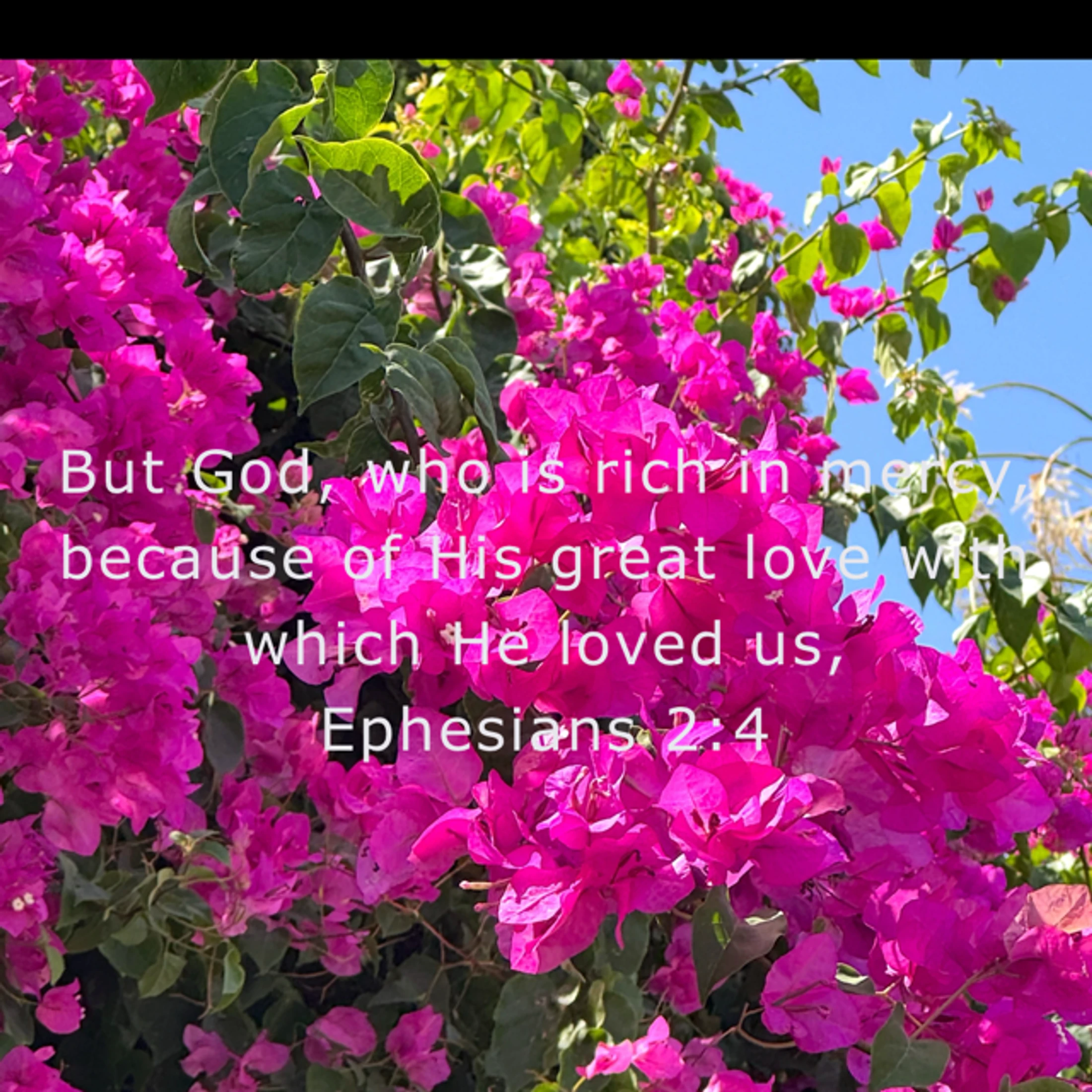
“But God, who is rich in mercy, because of His great love with which He loved us.” — Ephesians 2:4, NKJV
Over the past few weeks, the phrase “But God” has been moving through my mind and heart. At first, the Holy Spirit began showing me how often I had used those words as an excuse. When God asked me to do something I did not want to do, my heart would answer, “But God.” A few weeks ago, I found myself in a situation where I needed to repent. It was not a major issue, but it was still something God was dealing with in me. He said, “Repent and ask for forgiveness,” and immediately my heart answered, “But God, it’s not fair. You know what they did.”
I did repent, but I also had to face the attitude behind my words. Sometimes “But God” is not a statement of faith; it is a search for a loophole. It is the heart trying to explain why obedience should not be required this time. Forgive them—but God. Give—but God. Honor—but God. Serve—but God. In those moments, I can become more concerned with fairness, comfort, or how I feel than with obeying what God has spoken.
The truth is, when I stand before God, I will give an account for whether I obeyed His voice. I will not be able to excuse disobedience by pointing to what someone else did or by explaining why the situation felt unfair. Obedience is not always easy, but it is always right. A “But God” spoken from resistance can move the heart toward rebellion, and God does not take rebellion lightly.
Then the Holy Spirit showed me another side of those same words. “But God” can be an excuse, but it can also be a declaration of faith. The words themselves are simple; the condition of the heart gives them meaning. Spoken in resistance, “But God” can become a barrier. Spoken in faith, it becomes a reminder that God is greater than what we are facing.
This is where hope begins to rise. I was lost and living in death, BUT GOD came in, found me, and saved me. I was sick, BUT GOD healed me. I was discouraged, BUT GOD brought me hope. When our “But God” agrees with the Word of God, it becomes a statement of trust. It reminds us that the situation does not have the final word—God does.
So I have started using “But God” differently. I no longer want to speak it toward God as an excuse. I want to speak it toward the situations and challenges I face. When I hear a bad report, I can declare, “But God has hope for me.” When my soul feels unsettled, I can declare, “But God settles my soul.” What was once an excuse can become a weapon of faith for God’s glory.
Reflect: Are there areas where you have been saying “But God” as an excuse instead of as a declaration of faith? Ask the Holy Spirit to reveal where resistance needs to become obedience.
Apply: Choose one situation today where you are tempted to focus on what feels unfair. Instead of using “But God” as a reason to delay obedience, use it as a statement of trust: “This is hard, but God is faithful.”
Prayer: Father, forgive me for the times I have used excuses when You were calling me to obey. Search my heart and reveal any place where resistance has taken root. Teach me to trust You beyond what feels fair or comfortable. Let my “But God” become a declaration of faith, hope, and obedience. In Jesus’ name, amen.